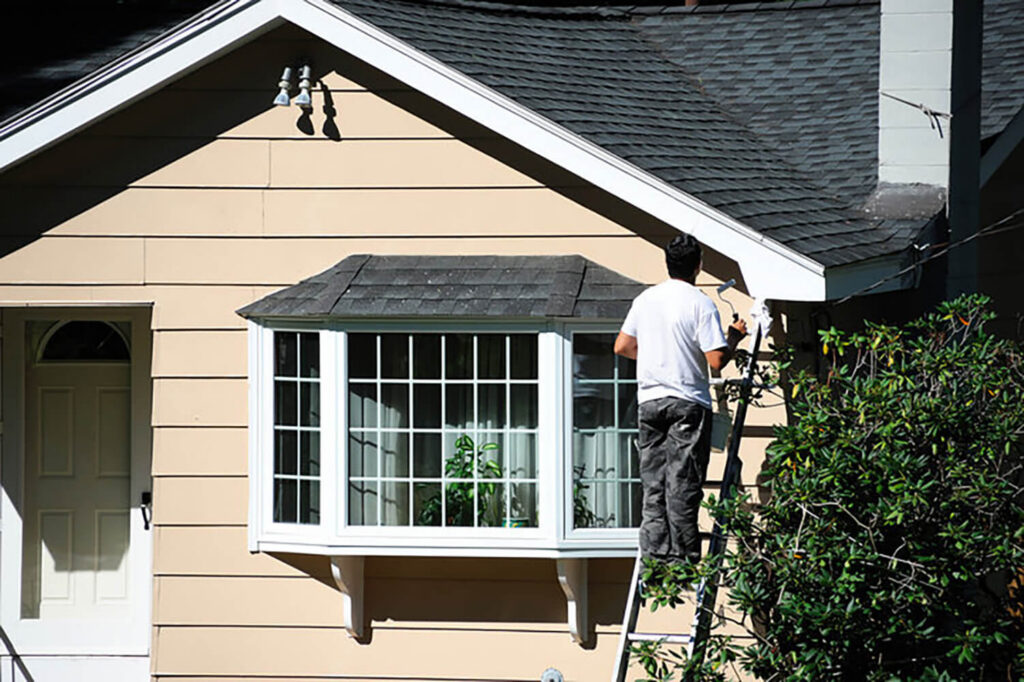
Homeowners in Chesterland know the winters are long. By the time spring arrives, the idea of finally tackling an exterior painting project feels overdue. But picking up the phone and scheduling a painter isn’t as straightforward as it might seem — because exterior painting is one of those projects where timing directly determines how long the results last.
The best time for exterior house painting isn’t simply any day it isn’t raining. Paint needs to be applied within a specific temperature range, cure in the right humidity conditions, and set before overnight temperatures drop. Get those conditions right and a quality paint job can protect a home for a decade or more. Miss them and the problems show up faster than anyone expects.
Chesterland’s climate — shaped by its position in northeast Ohio and the influence of Lake Erie — creates specific seasonal windows where those conditions come together reliably. This blog breaks down what exterior paint actually needs to perform, how each season in Chesterland measures up, and which months give homeowners the best shot at results that hold up.
What Makes Exterior Paint Succeed — or Fail?
A quality exterior paint job starts with the right product and the right prep work. But even the best paint applied by an experienced crew can fail prematurely if the conditions during application and curing aren’t right. The paint itself isn’t the only variable. The environment it goes on in matters just as much.
Two factors determine whether exterior paint bonds, cures, and holds up over time:
- Temperature
- Humidity and surface moisture
Each one has a specific threshold. Stray outside it and the paint job is compromised before it dries.
Temperature: The Threshold That Determines Everything
Most latex paints require a minimum of 50°F to apply correctly. Below that threshold, paint thickens, struggles to adhere to the surface, and won’t cure the way it’s designed to. The result is a finish that looks fine initially but begins to fail sooner than it should.
The upper limit matters just as much. When temperatures push above 90°F, paint dries too fast. That might sound like a good thing, but rapid drying prevents the paint from bonding properly. The finish develops brush marks, lap lines, and weak spots that show up as peeling within a few seasons.
Surface temperature adds another layer of complexity. On a 75°F day, south- and west-facing siding sitting in direct sun can reach 90°F or higher. The air temperature is within range. The surface isn’t.
Overnight temperatures are just as critical as daytime highs. Paint needs several hours to cure before temperatures drop. A warm application day followed by a cold night can compromise the entire job, even if everything looked right when the crew left.
Humidity and Moisture: The Variable Most Homeowners Overlook
Temperature gets most of the attention when homeowners think about painting conditions. Humidity is the variable that catches people off guard.
Exterior latex paint cures through evaporation. Water in the paint needs to escape into the air as the coating dries. When humidity is high, that process slows down. The surface stays wet longer, leaving it vulnerable to:
- Dust and debris settling into the uncured finish
- Insects landing and getting trapped in the paint
- Rain or dew hitting the surface before it has fully set
The ideal relative humidity range for exterior painting falls between 40 and 70 percent. Above 70 percent, the risk of adhesion problems and sheen inconsistency increases significantly. A finish that looks uneven in gloss level across the same wall is often the result of high humidity during application.
Moisture in the surface itself is a separate problem. Painting over siding that is damp from rain, morning dew, or ground moisture causes the paint to lift and blister as the trapped moisture works its way out. The surface needs to be fully dry before any paint goes on.
For homeowners in Chesterland, there is an added consideration. Northeast Ohio sits within the Lake Erie snowbelt region, and that lake influence drives higher humidity levels than homeowners in inland Ohio markets deal with. It is a local factor that makes moisture management a bigger part of the equation here than it might be elsewhere in the state.
How Chesterland’s Seasons Measure Up for Exterior Painting
Understanding what paint needs is the starting point. The next question is how Chesterland’s climate actually delivers on those conditions across the year. Each season tells a different story.
Spring: An Early Window Worth Watching
Spring in Chesterland is unpredictable. March and April bring temperature swings that can shift dramatically from one week to the next. Late frosts are common through mid-May, and overnight lows can drop below the 50°F threshold even when afternoons feel warm enough to work.
May is generally the first month where consistently safe temperatures become realistic. But spring in northeast Ohio comes with other complications:
- Frequent rainfall keeps surfaces wet longer than in drier climates
- Residual ground moisture works its way into siding and wood surfaces
- Lake-influenced humidity runs higher in spring than in summer’s drier stretches
The exterior painting window can open in late May in a typical year. A cool or wet spring pushes that start into early June. It is a workable window, but it requires monitoring conditions closely rather than committing to a fixed date weeks in advance.
Summer: Warm and Workable, With Caveats
June through August brings the reliable warmth that makes scheduling easier. Temperatures stay consistently above the minimum threshold, and the risk of a surprise frost disappears. For homeowners who missed the fall window the previous year, early summer is a strong alternative.
The challenge in summer is heat, not cold. Mid-summer temperatures in Chesterland can push afternoon surface temps on south- and west-facing walls into the range where paint dries too fast. Experienced painters manage this by:
- Starting early in the morning before peak heat builds
- Following the shade around the home as the day progresses
- Avoiding application on walls in direct afternoon sun during the hottest stretches
July and August also bring elevated humidity, particularly with Lake Erie’s influence. Humidity spikes during these months can extend dry times and create the same adhesion and sheen consistency problems that make high-humidity days a no-go regardless of temperature. Early summer is the stronger half of the season. Late summer requires closer attention to daily conditions.
Fall: The Most Reliable Season in Northeast Ohio
September and October are when Chesterland’s climate works in a homeowner’s favor. Temperatures moderate into the range exterior paint performs best in. Humidity drops compared to summer. Day-to-day weather stabilizes in a way that spring and summer rarely deliver.
Daytime highs through October typically stay between 55 and 75°F, which is near-ideal for latex paint application and curing. Overnight lows remain above the threshold through most of October, giving paint the time it needs to set before temperatures drop.
Fall also tends to be drier than the other viable seasons. Lower humidity means faster, more consistent dry times and fewer moisture-related complications during application.
The one practical challenge with fall is availability. Professional painters in northeast Ohio know how reliable this window is, and their schedules fill accordingly. Homeowners who want a fall exterior paint job typically need to plan and book ahead rather than call in September expecting immediate availability.
Winter: Why It’s Not a Viable Option
Chesterland winters close the door on exterior painting entirely. Temperatures routinely drop well below the 50°F minimum threshold, and even on milder winter days, overnight lows almost always fall too low for proper curing.
Beyond temperature, winter introduces conditions that make exterior painting impractical:
- Snow and ice on surfaces trap moisture that prevents adhesion
- Freeze-thaw cycles during application compromise the coating before it sets
- Shortened daylight limits the working window even on days where conditions seem acceptable
Winter is not a timing risk to manage around. It is simply not a viable season for exterior painting in this climate.
The Best Time for Exterior House Painting in Chesterland, OH
The viable exterior painting window in Chesterland runs from late May through October. Within that window, fall stands out as the most consistently reliable period. September and October deliver the temperature range, humidity levels, and weather stability that give paint the best chance to adhere and cure correctly.
For homeowners who cannot wait for fall, early June is the next best option. Temperatures are warm but not yet pushing into the mid-summer heat range, and humidity tends to be more manageable than it becomes in July and August.
Late May and early June can work, but they require more attention to overnight temperatures and surface moisture than fall demands. A professional scheduling a job in this window is monitoring the forecast, not just picking a date.
The seasons that require the most caution:
- Late May: Viable but unpredictable. A cool or wet week can push the start date and compress the schedule.
- July and August: Workable with experienced management of heat and humidity, but less forgiving than fall or early summer.
- November: The window is effectively closed. Overnight temperatures drop below the safe threshold quickly, and the risk of a compromised job is too high to take on.
Fall remains the answer most professional painters in northeast Ohio point to when a homeowner asks when to paint. The conditions are more predictable, the results are more consistent, and the job is more likely to perform the way it should for the full life of the coating.
Timing Your Exterior Paint Project Right
Knowing the right window is one thing. Hitting it with a project that’s properly prepared and executed in the right conditions is where professional judgment makes the real difference.
A professional exterior painter doesn’t simply show up on a scheduled date and apply paint. They assess the condition of the surfaces, monitor the forecast in the days leading up to the job, and schedule work around the specific variables of each home. A south-facing wall that gets full afternoon sun needs to be approached differently than a north-facing wall that stays in the shade. A home with wood siding that absorbs moisture needs more dry time after rain than one with fiber cement. These are the kinds of calls that experience makes automatic and that affect how long the results hold up.
For a homeowner ready to move forward, the next right step is a professional assessment of their specific project. At True North Painting, we work with homeowners in Chesterland to evaluate their home, discuss timing, and schedule exterior painting within the conditions that give the work the best chance to last. Reach out today to start that conversation.